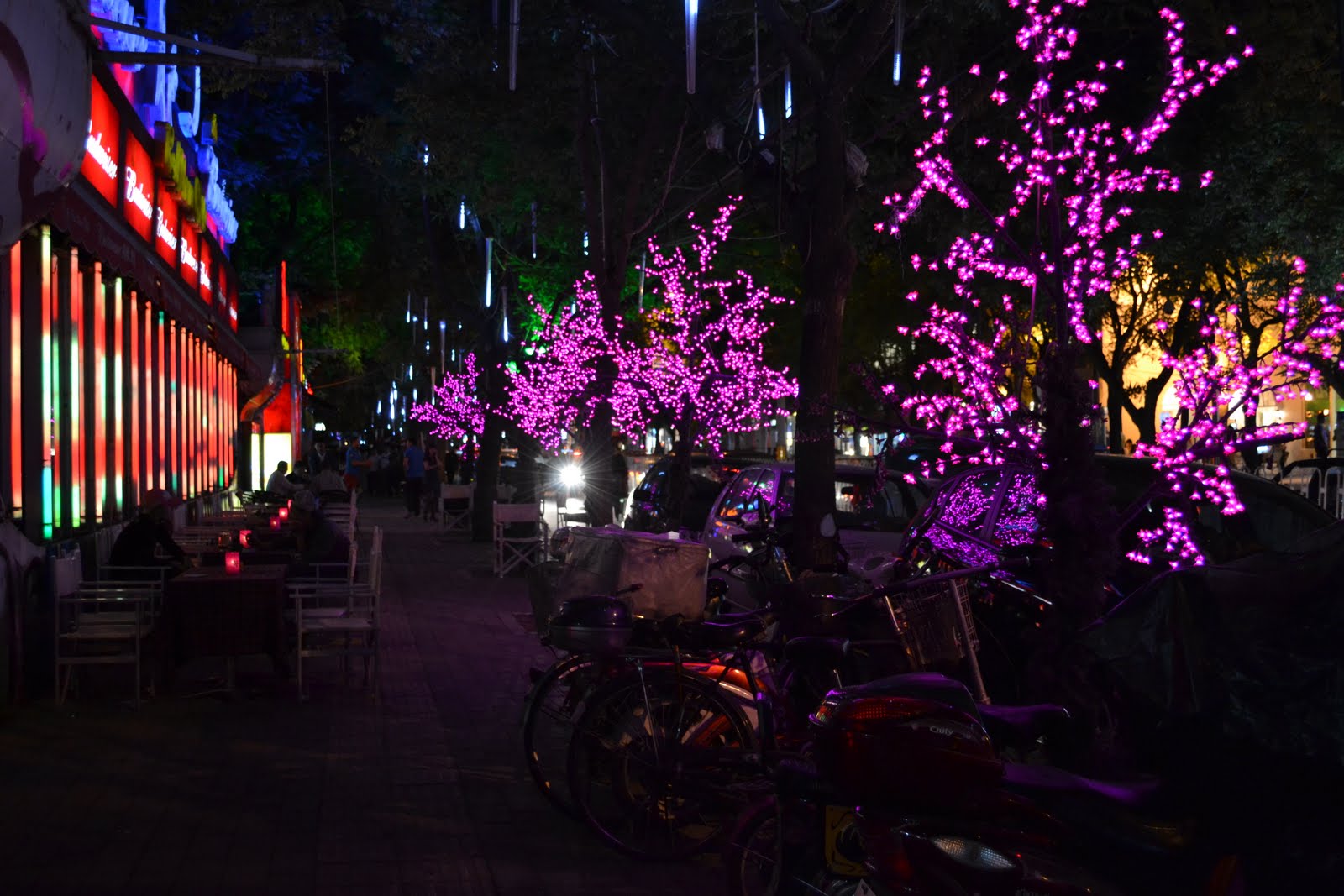
Monday, 30 May 2011

I Shop Therefore I Am - Shoppo Quindi Esisto

In case you didn't understand it from my incredible artistic title, I have been shopping. I have been shopping and it was a truly disappointing experience. Not because of the bargain - that I hate, but found out that I am a kind of a bargain goddess - but because there was really nothing that I wanted to buy in China. Probably it's because, back at home, I still have something like 30 single wrapped chopsticks that are still waiting to be given as gifts from my previous trip to China, or probably because I have been here before, but the thing is, there was nothing that I saw that I wanted so desperately as to buy it. Which is quite good, because I am saving money at least. Anyway, let's talk about the shopping, shall we? I promise that this entry will be short, because I don't want to bore you to death, but shopping here needs a special mention. First of all, I have been to the Silk Market. The Silk Market is this big building with seven floors and filled with little stalls that sell everything. From shoes, to bags, to Korean clothes, to Western clothes, to famous brands, to silk, to pearls, to souvenirs, to lanterns and kites, chopstiks, boxes, fans, and so on and on and on.. Every inch of the Market is covered in things that can be sold. Outside there are rows of buses full of tourists that are brought right into that trap. Inside they speak pretty much every language.. apart from Italian, judging by the fact that a man walked past me asking everybody "Do you speak Italian?" in Italian and nobody seemed to understand him. They also call you, push you, pull you, shove you... It's rather ennerving if you ask me. Anyway, I bought a tea set for 60 yuan, and if you think it's too much can you believe me if I tell you that the seller started from 450 yuan? How good am I? Soooo good! Next to the Silk Market there's the Friendship Store, which sells the same exact things of the Silk Market but with fixed prices. You cannot bargain, and not because the prices are much lower than the Silk Market (I think they are at least five times higher), but only because their slogan is: "Friendship is what makes the world turn". So we should be friendly to them and buy something, while they are not friendly towards us at all... with those prices... tsk! I have also been to Zhongguangcun, the electronic heart of Beijing. Four years ago I had thought that this place was already quite futuristic as a place, well, four years ago it was nothing compared to what it is now. First of all, even the ditie stop is electronic thanks to screens everywhere that show you the exits and train times. Second, instead of a couple of buildings with some shops that sell computer and electronic dictionaries, now there are immense palaces with something like ten floors each filled with shops, one next to the other, of all the most important brands. Especially Apple which in Chinese is called Pingguo ("apple"!!). But, despite this, I have been to something like 50 Apple shops and couldn't find what I was looking for! How annoying, considering that this place is on the other side of the city to where Eva lives. One last thing, I have also been to do some shopping in Wangfujin. Two personal considerations about Wangfujin shopping: 1. has two international bookstores that are just amazing! Big, well furnished and quiet. I love them; 2. the shops are incredibly, incredibly expensive.. even more than the Friendship Store! Stupid Chinese economy, stupid tourists that buy them... Okay, I guess that's all from China, next time I write I'll be in Japan (if I understand how to make a computer work there..). I'm leaving on June 1st and I'm well excited, even if I know that I'll miss Eva! I really can't wait to see what Japan is all about. I'll let you know as soon as I find out.. 再见 for now!


***

In caso non l'abbiate capito dal mio titolo incredibilmente artistico, sono stata a fare shopping. Sono stata a fare shopping ed è stata un'esperienza davvero deludente, non perché dovevo contrattare - io odio contrattare, ma ho scoperto di essere una dea della contrattazione - ma perché non c'era davvero niente che volessi comprare. Forse è per via del fatto che, a casa, ho ancora una trentina di bacchette in confenzioni singole che aspettano di essere date in regalo dal mio ultimo viaggio in Cina, o forse perché sono stata qui prima di adesso, comunque sia non ho visto niente che volevo così tanto da comprarlo. Il che va anche bene, perché almeno sto risparmiando un po'. Comunque parliamo un po' dello shopping, giusto? Prometto che questa entrata sarà breve perché non vi voglio annoiare a morte, ma lo shopping in Cina ha bisogno di una menzione particolare. Prima di tutto, sono stata al Silk Market. Il Silk Market è questo edificio abbastanza grandino con sette piani e riempito di piccoli banchetti che vendono di tutto. Dalle scarpe, alle borse, ai vestiti coreani, ai vestiti occidentali, alle marche famose, seta, perle, souvenirs, lanterne e aquiloni, bacchette, scatole, ventagli, e così via e via e via.. Ogni centimetro del Market è ricoperto di cose sono in vendita. Fuori ci sono file di bus pieni di turisti che vengono portati dal loro tour organizzato o dal loro albergo dritti in quella trappola. Dentro i venditori parlano circa tutte le lingue.. tranne italiano a giudicare dal fatto che un tizio mi è passato di fianco ripetendo "Parla italiano?" a tutti i venditori e nessuno sembrava in grado di capirlo. Inoltre ti chiamano, spingono, tirano, spintonano... E' abbastanza snervante se volete saperlo. Comunque ho comprato un set per il tè per 60 yuan, e se pensate che sia troppo ci credete che la venditrice era partita da 450 yuan? Quanto sono brava? Bravissima! Di fianco al Silk Market c'è il Negozio dell'Amicizia che vende le stesse cose del Silk ma a prezzi fissi. Non si può contrattare, e non perché i prezzi siano molto più bassi del Silk Market (penso che siano almeno cinque volte più alti), ma solo perché il loro slogan è "L'amicizia è quello che fa girare il mondo". Quindi noi dovremmo essere amichevoli verso di loro e comprare qualcosa, mentre loro non sono per niente amichevoli verso di noi... con quei prezzi... tsk! Sono anche stata a Zhongguangcun, il cuore elettronico e pulsante di Beijing. Quando ci sono stata nel 2007, avevo già pensato che fosse un posto alquanto futuristico, bè in confronto a quello che è adesso, quattro anni fa non era niente. Prima di tutto, perfino la fermata della ditie è tutta elettronica grazie a schermi che ti mostrano l'uscita e gli orari dei treni e le pubblicità; poi, invece di un paio di edifici con alcuni negozietti che vendono computer e dizionari elettronici, ora ci sono palazzi immensi con almeno dieci piani, ogni piano pieno - ma pieno davvero - di negozi, uno attaccato all'altro, di tutte le marche più importanti. Soprattutto della Apple, che in Cina si chiama pinggu ("mela"!!), ma nonostante tutta questa abbondanza, sono stata in quasi 50 negozi Apple e non sono riuscita a trovare quello che cercavo! Che nervi, soprattutto considerando il fatto che questo posto è dall'altra parte della città rispetto a dove abita la Eva. Un'ultima cosa, sono anche stata a fare shopping a Wangfujin. Due considerazioni personali riguardo allo shopping a Wangfujin: 1. ci sono due librerie internazionali fantastiche! Grandi, ben fornite e tranquille. Le adoro; 2. i negozi sono incredibilmente costosi.. anche più del Negozio dell'Amicizia! Stupida economia cinese, stupidi turisti che comprano tutto... Okay, credo che questo sia tutto dalla Cina, la prossima volta che scriverò sarò in Giappone (se capisco come far funzionare un computer nel paese del Sol Levante..) Parto il primo giugno e sono davvero emozionata, anche se so che mi mancherà Eva! Non vedo l'ora di capire un po' di cose sul Giappone, non appena le ho capite ve le farò sapere.. 再见 per ora!


***

The Oriental Plaza in Wangfujin, a huge shopping centre where I get lost every single time. - L'Oriental Plaza a Wangfujin, un gigantesco centro commerciale dove mi perdo ogni singola volta.

***

The Bird Nest, the stadium built in 2008 for the Olympics. - Il Bird Nest, lo stadio costruito nel 2008 per le Olimpiadi.

Monday, 23 May 2011

Is That Europe? - E' Europa?

I think the Old Summer Palace one of the best places to visit while in Beijing. Somehow I like it even more than the (new) Summer Palace. Seriously, if Eva were here she would never let me write this entry, for she really doesn't like it, but I think it's fascinating in its own way. Even though it lacks the grandeur of the Summer Palace, the Old Summer Palace (which is better if I call with its Chinese name just to avoid repetition of the words Summer and Palace. So the Yuanmingyuan) has something particular that I really like. Probably it's because I am always searching for connections and influences between cultures - that is also why my high school dissertation was titled Influences of Europe in Japan and Influences of Japan in Europe - or probably because the Yuanmingyuan is wonderfully out of place. But whatever the reason, I really like it. You are surely wondering what is the particularity of this park (because yes, it's a park and it's huge for that instance), and I am going to tell you right now: a part of the park - a small one actually - is constitued by the ruins of the European Palace. The European Palace is, or better was, a complex of buildings designed by an Italian and a French missionaries. They were created to satisfy the taste of the emperor for exotic architecture. Exotic! Me, who is easily amused, finds that just exhilarating. We - Europeans - are considered exotic! How wonderful! Unluckily the European-style-buildings are just ruins now, all except for a maze with a gazebo-tower in the middle. That and a bronze bust of Victor Hugo. The rest was destroyed in 1860, by the British and the French, during the Second Opium War. But despite the fact that it is now in ruins, I think that place is charming. The European Palace is only the 95% of the place though, the rest is Chinese buildings (pavillions with the same architecture and colours of the Palace Museum and Lama Temple and everything else...) and beautiful, beautiful gardens with loads of flowers and small and big lakes. Lovely. And with the newly built ditie line that comes out right next to the entrance it is also so easy to reach. I have also been to Tiananmen Square (and for those of you smarty pants, I didn't go there when I went to the Palace Museum, so I didn't go there for the second time!), which closes at night - why do they close a square at night? - and where you have to pass security to get in. The square looks nothing special, but this is a stupid statement because Tiananmen is not famous for what it is now but for what it has been. From Tiananmen I walked to Wangfujin, where I had lunch at the xiaochi Wangfujin Street. The xiaochi Wangfujin Street is a small side street full of stalls where you can buy souvenirs and things to eat. Well, it's a bit of a tourist trap really. I had six jiaozi (dumplings) for 15 yuan, and eight pieces of Korean sushi for 10 yuan. Which is a huge amount of money. They sold chuanr (kebab) for 5 yuan each! I mean you can find them for 1 yuan if you know where to go. Anyway, 80% of the chuanr that they sold had little writhing scorpions speared on them, so... well... you know, I have never had scorpions.. what if I didn't like them? And they were so expensive! And it was my birthday too...! So, yeah, no scorpions for now.. That night - on the 19th in case you haven't guessed by the hint that it was my birthday - Eva, Tony and I went out to celebrate. We went for pizza in one of the best pizza places in Beijing, the Tube Station (formerly known as the Kro's Nest) in Sanlitun. We got three wonderful pizzas, mine was called the Lao Beijing it was basically pizza topped with Beijing roasted duck. Absolutely delicious! And you can't find it in Italy, I'm sure about that. After dinner we went for a walk at the Village of Sanlitun. Sanlitun is one of the most famous places for nightlife in Beijing. Shops are open until late, bars and clubs and restaurants are all incredibly busy and there are loads of waiguoren out and about. So, if you are a party animal, just go there or to Gulou Street to name a couple of places. Gulou Street is more fascinating than Sanlitun, I think. It is a long street full of shops that are open until late, bars and clubs and restaurants that are all incredibly busy and where there are loads of waiguoren out and about. Yes, no, it's not the same as Sanlitun, what is different is that this street stretches amongst restored hutongs which gives it a charming air (in case you don't know hutongs are the old narrow alleys in Beijing skirted by the traditional courtyard residences). Loved that place! This upcoming week, instead... shopping! I'm already tired at the thought that I have to bargain... Don't wanna do it! *sulks*


***


Penso che il Vecchio Palazzo d'Estate sia uno dei posti più belli da visitare a Beijing. In qualche modo mi piace ancora di più del (nuovo) Palazzo d'Estate. Davvero, se la Eva fosse qui non mi lascerebbe mai scrivere una cosa del genere, visto che a lei non piace neanche un po', ma io credo che a suo modo sia affascinante. Nonostante manchi la grandiosità che si trova nel Palazzo d'Estate, il Vecchio Palazzo d'Estate (che è meglio se lo chiamo con il suo nome cinese, giusto per non continuare a ripetere le parole 'Palazzo' ed 'Estate'. Quindi lo Yuanmingyuan) ha qualcosa di particolare che mi piace proprio. Probabilmente è perché cerco sempre connessioni ed influenze tra una cultura e l'altra - ecco perché la mia tesina delle superiori si intitolava "Influenza del Giappone in Europa ed Influenza dell'Europa in Giappone" - o probabilmente perché lo Yuanmingyuan è meravigliosamente fuori luogo alla periferia di Beijing. Qualsiasi sia la ragione, mi piace davvero tanto. Di sicuro vi starete domandando qual è la particolarità di questo parco (perché, sì, è un parco, ed è pure gigantesco), e io ve lo dirò proprio in questo momento: una parte del parco - una piccola parte a dire il vero - è costituita dalle rovine del Palazzo Europeo. Il Palazzo Europeo è, o meglio era, un complesso di edifici progettati da due missionary, uno italiano e uno francese. Sono stati creati per soddisfare il gusto dell'imperatore per l'architettura esotica. Esotica! Io, che mi diverto facilmente, lo trovo esilarante. Noi - europei - siamo considerati esotici! Che meravigla! Sfortunatamente i palazzi in stile europeo sono rovine ora, tutti eccetto un labirinto con una torretta-gazebo nel centro. Quello e un busto di bronzo di Victor Hugo. Il resto è stato distrutto nel 1860, dagli inglesi e dai francesi durante la Seconda Guerra dell'Oppio. Ma nonostante il fatto che siano solo rovine, trovo il posto affascinante. Il Palazzo Europeo, però costituisce solo il 5% del parco, il resto sono edifici cinesi (padiglioni con la stessa architettura e colori della Città Proibita e del Tempio del Lama e di qualsiasi altra cosa...) e bellissimi bellissimi giardini con tanti fiori colorati e grandi e piccoli laghi. Adorabile. E con la nuova linea della ditie appena costruita che sbuca proprio di fianco all'entrata è anche facilissimo da raggiungere. Sono anche stata in piazza Tiananmen (e per voi saputelli che direte che ci sono andata quando sono andata alla Città Proibita, non è vero!), che chiude di notte - perché mai chiudono una piazza di notte? - e dove devi passare la sicurezza per entrarci. La piazza non è niente di speciale, ma naturalmente questa è una stupidaggine da dire perché Tiananmen non è famosa per quello che è ora, ma per quello che è stata. Da Tiananmen ho camminato verso Wangfujin, dove ho pranzato nella xiaochi Wangfujin Street. La xiaochi Wangfujin Street è una stradina laterale a Wangfujin, piena di bancarelle dove si possono comprare souvenir e cose da mangiare. Bé, a dire il vero, è un po' una trappola per turisti. Ho comprato sei jiaozi (ravioli cinesi) per 15 yuan e otto pezzi di sushi coreano per 10 yuan. Che è tantissimo. Vendevano i chuanr (spiedini) a 5 yuan l'uno! Voglio dire, li puoi trovare a 1 yuan se sai dove andare. Comunque, l'80% dei chuanr che erano in vendita erano guarniti da piccoli scorpioni infilzati che si dibattevano, quindi... bé... sapete, non ho mai mangiato scorpioni... e se non mi piacevano? A quel prezzo! E il giorno del mio compleanno poi...! Quindi, niente scorpioni per ora... Quella sera - il 19 in caso non l'abbiate indovinato dal fatto che era il mio compleanno - io, Eva e Tony siamo andati fuori a festeggiare. Siamo andati a mangiare la pizza in una delle migliori pizzerie di Beijing, la Tube Station (conosciuta prima con il nome di Kro's Nest) a Sanlitun. Abbiamo mangiato tre pizze fantastiche, la mia era la Lao Beijing ed era praticamente pizza con sopra anatra alla pechinese. Assolutamente deliziosa! E in Italia sono sicura che non si trovi. Dopo cena siamo andati a fare una passeggiata al Village di Sanlitun. Sanlitun è uno dei posti più in e famosi per la vita notturna a Beijing. I negozi sono aperti fino a tardi, bar e club e ristoranti sono incredibilmente pieni e ci sono waiguoren ovunque. Se siete dei festaioli non dovete fare altro che andare lì o a Gulou Street per dirvi un paio di nomi. Gulou Street è più affascinante di Sanlitun, second me. È una lunga strada piena di negozi aperti fino a tardi, bar e club e ristoranti incredibilmente pieni e waiguoren ovunque. Sì, no, non è la stessa cosa di Sanlitun, quello che cambia è che questa strada si srotola tra gli hutong ristrutturati che le danno un’aria affascinante (in caso non lo sappiate gli hutong sono le vecchie viuzze di Beijing circondate dai cortili delle residenze tradizionali). Bellissimo! Questa settimana, invece… shopping! Sono stanca al solo pensiero did over contrattare… non lo voglio fare! Uff!
***

The entrance to the Yuanmingyuan. - L'ingresso allo Yuanmingyuan.

***

The European Palace in the Yuanmingyuan. - Il Palazzo Europeo nello Yuanmingyuan.

***

The gazebo in the maze at the Yuanmingyuan. - Il gazebo nel labirinto nello Yuanmingyuan.

***


Beautiful flowers in the Yuanmingyuan. - Bellissimi fiori nello Yuanmingyuan.

***


Wangfujin.

***


Tiananmen Square. - Piazza Tiananmen.

***


My birthday pizza, the "Lao Beijing", pizza and Beijing roasted duck! - La pizza del mio compleanno, la "Lao Beijing", pizza e anatra alla pechinese!

***


The Village in Sanlitun. - Il Village a Sanlitun.

***


Sanlitun by night. - Sanlitun di notte.

***


Gulou Street.

Sunday, 15 May 2011

Everything Changes and Everything Remains the Same - Tutto Cambia e Tutto Resta Uguale

I am in China! And for the first time during this trip I am in a country where I have already been. Therefore, for me, it is quite weird to blog about this country, because those of you who know me have already heard everything I had to say about China four years ago, and those of you who don't know me or haven't had the pleasure to listen to me, maybe want to know things about Beijing that I don't even consider worth mentioning. So, let's just hope that this entry goes as well as possible. Let's start from the beginning, I am staying with Eva and Tony (Eva used to be at university in both Venice and Beijing with me, while Tony is her Chinese boyfriend), in their incredibly nice flat at Guoyuan, on the far east of Beijing, right outside the Fifth Ring. It is a bit far from the city centre, but I cannot complain at all. First of all, the price of the ditie (underground) had lowered since 2007, so from Eva's house to the city centre, despite the fact that it takes one hourish, the ticket costs only 2 Yuan (which is 20 Eurocent). Then another important thing, this part of the city is very quiet, much quiter than where the Capital Normal University - my university here - is (right on the Third Ring). At night you cannot hear a sound and I have to say that in Beijing that's a first for me. On the rings there are cars all day and night long. Maybe I should clarify this "ring thing" for those of you unfamiliar with the plan of Beijing: Beijing is built around concentric rings which are huge streets with up to 16 lanes each; except for the First Ring which is the wall around the Forbidden City at the very centre of the metropolis. And believe me these rings are very noisy! Here, on the contrary, is very quiet. It doesn't even look like it's Beijing at all. Anyway, I have already been to China, and when I was here last time it was for seven months, so what exactly is left for me to do in this city? Well, when I talked to my father he said that I wasn't certainly going to sightsee, because I have already seen anything that there is to see here. Not true! The first place I have been with Eva last week was the Military Museum and neither of us have been there before. Naturally there was a heavenly reason why we have never been... it was boring!! The first two floors (to our dismay we saw that there were four floors in that museum, and each and every single one was huge) were filled with objects from the first and second world wars, and when I say objects I mean socks, pans, glasses, chopsticks, and so on, that had once belonged to soldiers or wives of soldiers or to people that had some kind of contact with soldiers. A part of the second floor was dedicated to an exhibition of modern paintings, they were colourful and so much better than the dirty socks of the first two parts of the museum. On the third floor there was a history of China through the wars, with relics and archeological finds. That was interesting as well, there even were statues from the terracotta army of Xi'an. We didn't get to the fourth floor, it was late, we were tired and the museum was free admittance so we didn't feel like we wasted any money at all. Going out with Eva is just amazing, it's like being back to university when we didn't do anything but talk rubbish all the time. But she has to work during the week, so I am on my own to do what I do best: touristing! First of all, I felt like I had to go to the Forbidden City (or Palace Museum as they call it now), because one cannot be in Beijing without going to the Forbidden City. Even if it was the third time. Well, let's see.. Pavillion, pavillion and pavillion. Loads of pavillions that's for sure. All with the same architecture and colours. With this I'm not saying that the Forbidden City is not interesting, I mean, everybody should go there at least once in their lifetime, what I'm saying is that Chinese are really not original at all. I've also been to the Lama Temple (with pavillions with the same architecture and colours of the Forbidden City) and this time I managed to go to the Confucian Temple as well, since last time was in restoration (the Confucian Temple is exactly like the Lama temple and the Forbidden City, except for a statue of Confucio right in front of the door). Actually the Lama Temple is one of my favourite places in Beijing because it's quiet despite the fact that it's full of tourists, and there are so many trees it's just lovely. I've also been to Wangfujin, the most famous street in Beijing, right next to the Forbidden City. Well, everything was exactly like it was four years ago, even the broken escalator in the Oriental Plaza Shopping Centre and that kind of Paleontology museum in the basement of the mall which was always closed and it was closed this time as well. Something that changed instead are the security points. They check your bags and yourself at the entrance of every ditie and museum and sight in general! It's just crazy. These people are control freaks. Another thing that changed radically is the ditie, from two to fourteen lines in less than three years! And all because of the 2008 Olympic Games. Well, good job. Last thing.. last Saturday Eva and I went to a Spring Fair in the Beijing International School, in a newly built residential area full of foreigners and rich Chinese. The Spring Fair was amazing, full of activities and things to eat and buy; the school was spectacular, with a beautiful garden, swimming pool, a skateboard ramp, a river... I have never seen anything like that. Why don't we have anything like that in Italy? Shame on our schools!


***

Sono in Cina! E per la prima volta da quando ho iniziato il mio viaggio sono in un paese dove sono già stata. Quindi, per me, è un po' strano scrivere sul blog di questo paese perché, per quelli di voi che mi conoscono, avrete già sentito tutto quello che avevo da dire sulla Cina quattro anni fa, e per quelli di voi che non mi conoscono o che non hanno avuto il piacere di ascoltarmi, magari vorrete sapere cose su Beijing di cui secondo me non ne vale la pena di parlarne. Quindi speriamo in bene. Ma partiamo dall'inizio, sono qui ospite di Eva e Tony (Eva era all'università con me, sia a Venezia che a Beijing, mentre Tony è il suo ragazzo cinese) nel loro appartamentino incredibilmente carino a Guoyuan, a est di Beijing, di poco a sinistra del Quinto Anello. E' leggermente lontano dal centro, ma non ci si può lamentare affatto. Prima di tutto il costo della ditie (la metropolitana) si è abbassato dal 2007 ad oggi, quindi da casa della Eva al centro città, nonostante sia circa un'ora di viaggio, il biglietto costa solo 2 Yuan (che sono 20 centesimi di euro). Poi un'altra cosa importante, questa parte della città è tranquilla, molto più tranquilla di dove si trova la Capital Normal University (la mia università qui a Beijing che era proprio sul Terzo Anello): di notte è silenziosissimo e devo dire che questa è la prima volta per me qui a Beijing. Sugli anelli ci sono macchine tutto il giorno e tutta la notte e la mia finestra alla Capital era proprio sull'anello. Okay, forse dovrei spiegare cosa sono gli "anelli" per quelli di voi che non sono pratici di Beijing: Beijing è costruita ad anelli concentrici, che sono delle strade gigantesche larghe fino a 16 corsie. E credetemi questi anelli sono molto rumorosi! (Tutti tranne il Primo Anello che è in realtà il muro che circonda la Città Proibita nel centro della città.) Qui, al contrario, è molto tranquillo. Non sembra nemmeno di essere a Beijing. Comunque sono già stata in Cina, e quando sono stata qui l'ultima volta ci sono rimasta sette mesi, quindi cosa c'è rimasto per me da fare in questa città esattamente? Bè, quando ho parlato con mio papà mi ha detto che di sicuro non avrei fatto turismo perché avevo già visto tutto quello che c'era da vedere, giusto? Sbagliato! Il primo posto dove sono stata con Eva settimana scorsa è stato il Museo Militare e nessuna di noi due c'era mai stata. Naturalmente c'era una ragione divina per cui non c'eravamo mai state... era noiso!! I primi due piani (con sgomento abbiamo notato che c'erano quattro piani in quel museo ed erano tutti giganteschi) erano pieni di oggetti dalla prima e dalla seconda guerra mondiale, e quando dico oggetti intendo calzini, padelle, occhiali, bacchette e così via, che erano una volta appartenuti ai soldati, o alle mogli dei soldati o a qualche tizio che una volta in tutta la sua vita ha avuto a che fare con dei soldati. Una parte del secondo piano era allestita per una mostra di dipinti moderni, erano colorati e molto più belli dei calzini sporchi delle prime due parti del museo. Al terzo piano c'era una storia della Cina attraverso le guerre con reperti archeologici e ritrovamenti. Quello era interessante, c'erano anche delle statue dall'esercito di terracotta di Xi'an. Non siamo andate al quarto piano, era tardi, eravamo stanche e il museo era gratuito quindi non ci siamo sentite come se avessimo sprecato soldi inutilmente. Comunque, uscire con Eva è fantastico, è come essere tornate indietro ai tempi dell'università quando non facevamo altro che dire cavolate una dietro l'altra. Ma adesso Eva deve lavorare durante la settimana quindi io sono da sola a fare quello che faccio meglio: turistare! Per prima cosa mi sono sentita in dovere di andare alla Città Proibita (o Museo del Palazzo come lo chiamano ora ), perché uno non può essere a Beijing e non andare alla Città Proibita. Anche se è la terza volta come nel mio caso. Vediamo un po'... padiglione, padiglione e padiglione. Molti padiglioni questo è sicuro. Tutti con la stessa architettura e con gli stessi colori. Con questo non voglio dire che la Città Proibita non sia interessante, tutti dovrebbero vederla almeno una volta nella vita, quello che voglio dire (anzi, ribadire) è che i cinesi non sono per niente originali. Sono anche stata al Tempio del Lama (con padiglioni con la stessa architettura e stessi colori della Città Proibita) e questa volta sono anche riuscita ad andare al Tempio Confuciano, visto che l'ultima volta era in ristrutturazione (il Tempio Confuciano è - surpresa, sorpresa - esattamente uguale al Tempio del Lama ed alla Città Proibita, tranne che per una statua di Confucio davanti alla porta principale). A dire il vero il Tempio del Lama è uno dei miei posti preferiti a Beijing perché è tranquillo nonostante sia pieno di turisti, ed è pieno di alberi. Sono anche stata a Wangfujin, la strada più famosa di Beijing, proprio di fianco alla Città Proibita. Bè, tutto era esattamente come me lo ricordavo, perfino la scala mobile rotta nell'Oriental Plaza Shopping Centre e quella specie di museo Paleontologico nel seminterrato del centro commerciale che era sempre chiuso ed era chiuso anche questa volta. Qualcosa che è cambiato invece sono i controlli di sicurezza. Ti controllano la borsa e manca poco che ti facciano una colonscopia all'ingresso di ogni ditie, museo e posto affollato in generale. E' pazzesco! Mi sento molto controllata.. Un'altra cosa che è cambiata radicalmente è la ditie, da due a quattordici linee in meno di tre anni! E tutto per le Olimpiadi del 2008. Ci volevano proprio le Olimpiadi! Bravi! Ultima cosa.. sabato scorso io ed Eva siamo andate alla Fiera di Primavera della Beijing International School, in un'aera residenziale piena di stranieri e di ricchi cinesi. La Fiera di Primavera era fanntastica, piena di attività, e di cose da mangiare e da comprare; la scuola era spettacolare, con un bellissimo giardino, la piscina, una rampa per lo skateboard, un ruscelletto... Non ho mai visto niente del genere. Perché non abbiamo queste cose in Italia? Uff..

***

The entrance to the Palace Museum. - L'ingresso alla Citta' Proibita.

***

The Palace Museum. - La Citta' Proibita.

***

A pavillion in the Palace Museum. - Un padiglione nella Citta' Proibita.

***


The Lama Temple. - Il Tempio del Lama.


***


A monk statue in the Lama Temple. - La statua di un monaco nel Tempio del Lama.


***


The entrance to the Confucian Temple. - L'ingresso al Tempio Confuciano.

***


Pavillions in the Confucian Temple. - Padiglioni nel Tempio Confuciano.

***


Wangfujin.

***


Spring fair at Beijing International School. - Fiera di primavera alla Beijing International School.

Wednesday, 4 May 2011

Hong Kong Is NOT China! - Hong Kong NON è Cina!

I left Vietnam on April 28th and arrived in China on May 3rd. No, I didn't walk here, nor I got a tuctuc to Beijing. I simply had to stop in Hong Kong in order to get my visa for China. And I'm so glad I did it! Hong Kong is truly spectacular: such a busy and modern metropolis that, as I was looking at Beijing when I arrived, I suddenly thought that the capital of China looked quite modest compared to HK. Quite modest! A city with 20 million habitants! Modest! The only negative thing about my staying in Hong Kong was the weather... it rained every single day! Come on! It felt a lot like Mauritius, where I had only a day and it rained all day! But a part from the rain it was also hot and humid (and every place, even the church, had airconditioning! It was freezing cold everywhere!). Here in Beijing is coldish. No wait, it's proper cold! People go around with a jacket! I don't even have one! I need to go and do some shopping.. Or maybe just resist until it gets warmer - I'm not good with resisting the cold, though... But enough babbling about the weather (I feel so British when I do it, though), let's talk about Hong Kong: I was alone in a hostel right in the middle of the Kowloon area, which is the centre of the city centre. My room was small, well, actually, small doesn't give you the right idea, just to let you know, it was a double room and three quarters of it was filled up by the bed. There was some space from the door to the bathroom and that was all. But it was clean and Simon, the owner, was really nice and useful. He told me that I could apply for a visa for China with him and I did it and in less than 24 hours I had that blue piece of paper on my passport that says that I can go to China and stay there for 30 days. Yay for me! And the first day that I was there I also went to Hong Hum station to get my ticket to Beijing, because, yes, I took the train from Hong Kong to Beijing. 23 hours of travelling, but three times cheaper than the plane and I even had a bed! I really wanted to go to Aberdeen and to Disney World and to walk around the city for a while, but the bad weather didn't let me do anything like that. Well, the second day, I started off to one of the walks that was suggested in a guidebook I got at the airport for free, but after half an hour under the rain I decided to switch to some indoor sightseeing instead. So well, in two days I visited the Museum of History, Museum of Art, Museum of Science and Space Museum. The Museum of History was huge! Properly huge. I was in there for five hours, which are a lot. I learned so much about the history of Hong Kong. Some info for you: its former name was Victoria, in honor of Queen Victoria; when the Japanese invaded HK they deported loads of people because there was not enough food; the population in HK is a miscellanea of Chinese, Indian, Western. The Museum of Art was nice, but I don't think anybody can say that Chinese Art is original: there were at least a hundred scrolls with the same landscape: mountain, waterfall, trees, pavillion and old person. In every single scroll. I am not joking. The Space Museum was a bit boring - and I'm not saying that because I don't understand anything about space! - and the Museum of Science was literally too funny, it was 70% interactive, which means that there were machines where you could have tested science principles and experiments everywhere, which means children everywhere as well. But adults too! Actually, that was the busiest Museum in Hong Kong. They love their science there. Another place where I have been is the Avenue of Stars, which is the Hong Kong response to the Hollywood Walk of Fame. I think I knew around four-five names (Jackie Chan, Bruce Lee, Michelle Yeoh..) and that was all. There was also a history of Chinese Cinema and statues of Bruce Lee, apart from the stars on the pavement with the hand imprints. I also visited a temple with a very long name (I have to look up the name because I really don't remember it... wait... okay, it's Sik Sik Yuen Wong Tai Sin Temple..), which was Buddhist, Confucian and Taoist all together. I guess they couldn't decide to which religion dedicate the temple when they built it. It was full of faithful, who were worshipping with a lot of incense. There was also a garden, and guess what was in the garden? If your guessing was mountain, waterfall, trees, pavillion and old person, that is correct! It looked like a giant living scroll, a part from the skyscrapers that creeped out behind the mountain, that's it. But this temple is famous because of the fortune tellers. There were queues of faithful waiting for their fortune to be told by some people who were seated in little stools covered in images of the Buddha or any other deity. No, I didn't have my fortune told, in case you were wondering. After that I have been to the Hong Kong Park, where the Museum of Tea Ware sported a huge collection of teapots; I walked past the Peak Tram, which was a tram, I guess... I really don't know what the long queue was all about, but hundreds of people were lining up the hill to see it. And finally I walked up the hill to the zoo and botanical garden, where I didn't see any animal at all, especially because the zoo was not only up the hill, but it was itself hilly.. so I gave up climbing up a little mountain that I don't think had any affair in Hong Kong downtown. Ah, one evening I even went to the cinema to experiment the Hong Kong 3D. Well, the only things that seemed in 3D were the Chinese subtitles. So much for the 130HKD I spent on it. Anyway, let's go back to the title of this entry and support my thesis that says that HK is NOT China. I think I will list down here the reasons why I think so, even if its full name is Hong Kong special region of People's Republic of China:


  1. They speak English and Chinese as "official" languages.

  2. The signs and notices are in two languages, the names of the streets are even translated into English (Nathan Road, Prince Edward Street...).

  3. My Italian sim card worked until the border with mainland China, then they blocked it.

  4. It is a very clean city.

  5. The MTR is even better than London's Underground.

  6. Nobody spits on the floor (!!).

  7. They don't even have the same currency (CNY vs HKD).

  8. There are almost no Chinese restaurants, I could find Japanese, Vietnamese, Starbucks, Italian, Indian, Thai... Everything but Chinese.

  9. You don't need a visa to get into Hong Kong, but you need one to get to China.

  10. In HK Facebook is not blocked.

  11. In HK they drive on the left, in China on the right.

So, yeah, Hong Kong is not China, and don't try to make me change my mind, because I won't. Anyway, now I'm in Beijing - and this is China - with Eva and Tony. It is so good to be here, I feel like I'm back home, even if it's been four years since I've been here and two since I last saw Eva. If it was hotter it would just have been perfect! Anyway, I'm happy to be here!


***


Sono partita dal Vietnam il 28 aprile e sono arrivata in Cina il 3 maggio. No, non ho camminato fino a qui, né ho preso un tuctuc per Pechino. Semplicemente mi sono dovuta fermare ad Hong Kong per ottenere un visto per la Cina. E sono così contenta di averlo fatto! Hong Kong è davvero fantastica. Una metropoli così piena di vita e moderna che, mentre guardavo Pechino quando sono arrivata, ho pensato che la capitale della Cina sembrava piuttosto modesta comparata ad HK. Piuttosto modesta! Una città con 20 milioni di abitanti! Modesta! L'unico punto negativo della mia sosta ad Hong Kong è stato il tempo... ha piovuto ogni singolo giorno! E dai! Sembrava proprio come a Mauritius, dove sono stata solo un giorno ed ha piovuto tutto il giorno! Pioggia a parte era anche caldo ed umido (ed ogni posto, anche la chiesa, aveva l'aria condizionata a manetta! Faceva freddissimo ovunque!). Qui a Pechino fa freddino. No, aspetta, fa proprio freddo! Le persone vanno in giro con la giacca! Io una giacca non ce l'ho neanche. Devo proprio andare a fare un po' di shoppping.. O magari resistere fino a che non diventa più caldo (ma non sono molto brava a resistere al freddo...) Ma basta parlare del tempo (anche se mi sento così inglese quando lo faccio), parliamo di Hong Kong: ero tutta sola soletta in un ostello proprio nel mezzo del quartiere Kowloon, che è il centro del centro città. La mia camera era piuttosto piccolina, a dire il vero "piccolina" non rende l'idea, giusto per farvi capire, era una stanza doppia e i tre quarti della stessa erano occupati dal letto. C'era un pochino di spazio che andava dalla porta al bagno e questo era tutto. Ma era pulita e Simon, il proprietario, era davvero gentile ed è stato utilissimo. Mi ha detto che avrei potuto richiedere un visto attraverso di lui e io l'ho fatto e in meno di 24 ore avevo un pezzetto di carta blu appiccicato al passaporto che mi dava il permesso di entrare in Cina e di rimanerci per 30 giorni. Evviva! Il primo giorno che ero lì sono anche andata alla stazione Hong Hum per ritirare il mio biglietto per Pechino, perché sì, ho preso il treno da Hong Kong a Pechino. 23 ore di viaggio, ma tre volte più economico dell'aereo. E avevo anche un letto! Mentre ero ad Hong Kong, volevo davvero andare ad Aberdeen, a Disney World e a camminare un po' per la città, ma il tempo non mi ha lasciato fare niente del genere. Bè, a dire il vero, il secondo giorno ho iniziato a fare una delle camminate suggerite in una guida che davano in aeroporto gratis, ma dopo mezz'ora sotto la pioggia, ho deciso di fare un po' di turismo al coperto. Quindi in due giorni ho visitato il Museo di Storia, il Museo dell'Arte, il Museo della Scienza e il Museo dello Spazio. Il Museo di Storia era gigante! Davvero gigante. Mi ci sono volute cinque ore per visitarlo tutto, e cinque ore sono molte. In compenso ho imparato molto sulla storia di Hong Kong. Alcune informazioni per voi: prima di chiamarsi Hong Kong si chiamava Victoria (in onore della regina Victoria); quando i giapponesi l'hanno invasa hanno deportato un sacco di persone perché non c'era cibo a sufficienza; la popolazione a Hong Kong è un miscuglio di cinesi, indiani e occidentali. Il Museo dell'Arte era carino, ma non credo che qualcuno possa dire che l'arte cinese sia originale: c'erano almeno cento rotoli con lo stesso paesaggio: montagna, cascata, alberi, padiglione e vecchino. In tutti i rotoli. Non sto scherzando. Il Museo dello Spazio era un po' noioso - e non lo dico solo perché non capisco niente di spazio! - e il Museo della Scienza era letteralmente troppo divertente, era al 70% interattivo, il che vuol dire che c'erano macchine dove si potevano sperimentare esperimenti e principi scientifici praticamente ovunque, il che voleva dire anche bambini ovunque. Ma anche adulti! A dire il vero, quello era il museo con più gente di tutta Hong Kong. Adorano la scienza evidentemente. Un altro posto dove sono stata è l'Avenue of Stars, che è la risposta di Hong Kong alla Walk of Fame di Hollywood. Conoscevo sì e no quattro o cinque nomi (Jackie Chan, Bruce Lee, Michelle Yeoh..) e questo era quanto. C'era anche una storia del cinema cinese e statue di Bruce Lee, oltre alle stelle sul marciapiede con le impronte delle mani. Ho anche visitato un tempio con un nome lunghissimo (devo cercare il nome perché davvero non me lo ricordo... aspettate... okay, è il tempio Sik Sik Yuen Wong Tai Sin..), che era Buddista, Confuciano e Taoista tutto insieme. Credo sia perché non si riuscivano a mettere d'accordo su a quale religione dedicare il tempio quando l'hanno costruito. Era pieno di fedeli che stavano adorando le statue con chili di incenso. C'era anche un giardino, e indovinate cosa c'era nel giardino? Se la vostra risposta era montagna, cascata, alberi, padiglione e vecchino, è corretta! Sembrava un rotolo gigante vivente, a parte per i grattacieli che spuntavano dietro la montagna, naturalmente. Ma questo tempio è famoso soprattutto per gli indovini. C'erano file di fedeli che aspettavano che gli venisse divinato qualcosa da persone sedute in piccoli baracchini coperti di immagini del Buddha e di altre divinità. No, non mi sono fatta divinar niente in caso ve lo stiate chiedendo. Dopo il tempio sono andata al Parco di Hong Kong, dove il Museo del Tè aveva una gigantesca collezione di teiere; poi sono passata davanti al Peak Tram, che credo fosse solo un tram... e davvero non so perché ci fosse la superfila lunghissima, ma centinaia di persone erano lì per vederlo. E finalmente sono salita sulla collina per andare allo zoo e al giardino botanico, dove non ho visto nessun animale soprattutto perché non solo lo zoo era su una collina, come ho detto, ma era una collina esso stesso.. quindi mi sono arresa e sono tornata indietro invece di scalare una montagnetta che secondo me non aveva proprio nulla di meglio da fare che crescere nel bel mezzo di Hong Kong. Ah, una sera sono anche andata al cinema a sperimentare il 3D di Hong Kong. Bè, le uniche cose in 3D erano i sottotitoli in cinese. Giusto perché ho speso solo 130HKD. Comunque torniamo indietro al titolo di questo post e supportiamo la mia tesi che dice che HK NON è Cina. Penso che farò qui una lista di ragioni del perché io pensi ciò, anche se il nome completo di Hong Kong è regione speciale della Repubblica Popolare Cinese:


  1. Cinese e inglese sono entrambe lingue "ufficiali".

  2. I cartelli ed avvisi sono in due lingue, i nomi delle strade sono addirittura tradotti in inglese (Nathan Road, Prince Edward Street...).

  3. La mia sim card italiana ha funzionato fino al confine con la Cina e poi me l'hanno bloccata.

  4. E' una città molto pulita.

  5. L'MTR è anche meglio dell'Underground di Londra.

  6. Nessuno sputa sul pavimento (!!).

  7. Non hanno nemmeno la stessa moneta (CNY vs HKD).

  8. Non ci sono quasi ristoranti cinesi, ho trovato giapponesi, vietnamiti, Starbucks, italiani, indiani, tailandesi... tutto tranne che cinese.

  9. Non si ha bisogno di un visto per entrare ad Hong Kong, ma per la Cina sì.

  10. Ad HK Facebook non è bloccato.

  11. A HK guidano a sinistra, in Cina a destra.

Quindi, sì, Hong Kong non è Cina e non provate a farmi cambiare idea perché non lo farò. Comunque ora sono a Pechino (e questa sì è Cina) con Eva e Tony. E' fantastico essere qui, mi sento come a casa, anche se sono passati quattro anni dall'ultima volta che ci sono stata e due da quando ho visto la Eva per l'ultima volta. Se facesse un po' più caldino sarebbe perfetto! Comunque sono proprio contenta di essere qui. Che bello!


***

Hong Kong skyline. - I grattacieli di Hong Kong.

***

The beautiful weather that I found in Hong Kong. - Il bel tempo che c'era ad Hong Kong.

***

Mountain, water, tree, pavillion, old person at Sik Sik Yuen Wong Tai Sin Temple. - Montagna, acqua, albero, padiglione, vecchino al Sik Sik Tai Sin Temple.

***


Classic eye trick at Hong Kong Science Museum. - Il vecchissimo inganno delle due teste e la coppa al Museo della Scienza di Hong Kong.

***


Jackie Chan's star at the Avenue of Stars. - La stella di Jackie Chan alla Avenue of Stars.

Thursday, 21 April 2011

The Rice Basket - La Ciotola di Riso

Long gap between a post and another, isn't it? Well, sorry about that! I've been busy sightseeing and living the city as much as possible. I've been to some more museums, some more restaurants and live music bars, some more sights. This city has a certain vibe and you have to love it, one way or another. Anyway, instead of talking about Ho Chi Minh City (or HCMC as they write here), I'm going to talk about my two-day-trip to the Mekong Delta. First of all, what's the Mekong Delta? As you might get from the word "delta" after Mekong, is the delta of a river called Mekong. This river is in the south of Vietnam and its region is called the "rice basket" of the country. A part from rice fields - that weren't actually flooded since it's not rainy season yet - there were loads of gardens with so many kinds of fruits it was just amazing. Mangoes, pineapples, dragon fruits, jack fruits, papayas and loads and loads of coconuts of different kinds. Especially the water coconut, typical of that region. The trip cost me exactly 20 euro for two days, and it was such a bargain! I left early on Tuesday morning and got a bus with other 35 people of all nationalities - German, Israeli, French, Chinese, Polish, Australian, Belgian, Vietnamese and just one Italian, me! We had an English speaking guide with quite an annoying voice, but who told us quite a lot of interesting things about Vietnam: for example that when people own a piece of land they have all the rights to bury their relatives in a part of their field. They don't put the coffin into the ground, but build a tomb all around it, in a drained part of the field - luckily, because I was already thinking about not eating rice anymore in all my life. Also, he told us that to have a motorcycle in Vietnam for a guy in the past was like for us having a car. A man with a motorcycle could find a cute girlfriend, one without... no girlfriend at all. Anyway, I was sitting next to the Israeli guys (two girls and a boy) without knowing their nationality, so between the annoying voice of the guide and the fact that I was frustrated because I couldn't make out the language these guys were talking (Hebrew), I wore my in-earphones, put on some music and looked out of the window. Rice fields, rivers, houses, loads of bars and some villages and cities alternated. It was beautiful. Our first stop was in Ben Tre Province, where we got a boat and sailed on the Mekong river, which is wide and dirty, with many houses that ends right on its shores, or houses that float directly on the river. The side canals are smaller, wilder and the vegetation grows on a thick layer of mud. They took us to visit a brick factory first and then a garden where we could eat some fruits and listen to traditional Vietnamese songs (before they even started the guide said that Vietnamese themselves don't like those songs, actually, it was like the girls had a stomachache...). We then got a rowing boat to a coconut candy factory where we could try some candies and coconut wine, and then we got a motorbike taxi to another place where we got another rowing boat. By that time it started to rain, so we were given the typical Vietnamese hat ("non") which is amazing because no rain passed through it. We had lunch in a restaurant in the forest and next to the river and, after lunch, we got another boat to get back to the bus. We got on the bus and after two hours and a half we reached Can Tho, the biggest city in the Mekong Delta, where our hotel was. I had a huge room all by myself, without windows (which is good, because it means no light in morning), with TV with loads of English speaking channels, AC, two huge beds and a nice bathroom. I had dinner with Caroline and Chris, two lovely German girls who are in Vietnam for the Easter holidays, in a small restaurant/bar/cafe. Since I was very tired, I slept very well that night. The next morning, we had breakfast really early with noodles and rice and vegetables and meat. The typical Asian breakfast. I had rice. It was good. Really. Believe me. After breakfast we checked out and went to the river where we got on a boat and sailed lazily around the floating market. It was very quiet - apparently, the rush hour is around 5 am, and it was 8 by the time we got there - but beautiful nonetheless. There were loads of boats filled with fruits, vegetables and other goods. They had a long stick on the prow with a sample of the vegetables or fruits that they were selling pierced on a stick. After the market they took us to another fruit garden, where we had some more fruits to taste and tea to drink. No musical show this time, luckily... Anyway, we - Caroline, Chris and I - sat with the three Israeli guys and found out that they had just finished the military service and were travelling for six months through Laos, Cambodia, Vietnam and Thailand. They were nice, but asked loads of questions about religion and stuff like: what's Easter? or why do the Christians blame the Jews for the Crucifixion? Well, at least they were Easter-related questions. Anyway, we cruised for some more time and then got back to the city. We went to eat in a restaurant which was really a tourist trap - like all the shops in the middle of the Mekong "jungle" - and got the bus again. Before going back to HCMC, we stopped at Vinh Long market of fruits and vegetables and in the "Mekong Rest Stop" (!!!) were there was really nothing, it was just a wee-stop apparently. We got back to HCMC in the evening and as soon as we reached the city it started raining cats and dogs. Luckily, we found shelter in the tourist office. For dinner, I had a Vietnamese hot pot with Caroline and Chris and then our ways parted and I got back home. I was so excited about all the things that I've seen and done that jabbered a thousand words at Linh and Anh and showed them the 200 pictures that I had taken. But honestly, what do you think? Was it good or not? I wish it lasted longer...

On a different note, guys, Happy Easter! Hope yours will be filled with chocolate because mine won't... no Easter eggs in Vietnam! Can I cry?

***

E' passato tanto tempo tra un post e un altro, vero? Bè, chiedo scusa! Sono stata molto occupata a fare la turista e a vivere la città il più possibile. Sono stata a vedere altri musei, in altri ristoranti, altri bar con musica dal vivo, altri posti per turisti. Questa città ha un certo non so che e in un modo o nell'altro la si ama. Comunque, invece di parlare di Ho Chi Minh City (o HCMC, come abbreviano qui), vi parlerò del mio viaggio di due giorni al delta del Mekong. Prima di tutto, cos'è il delta del Mekong? Come di sicuro capireta dalla parola "delta", è il delta di un fiume chiamato Mekong. Questo fiume si trova nel sud del Vietnam e la sua regione è chiamata "la ciotola di riso" del paese. A parte le innumerevoli risaie (che non erano sommerse di acqua perché non è ancora la stagione delle piogge), c'erano tantissimi giardini con così tanti tipi di frutta che era un piacere per gli occhi. Manghi, ananas, pitaya, petit jacques, papaye, e tanti tipi di cocchi. Specialmente il cocco d'acqua, tipico di quella regione. Il mio viaggio mi è costato esattamente 20 euro per due giorni, ed è stato un vero e proprio affare! Sono partita prestissimo martedì mattina e ho preso un bus con altre 35 persone di tutte le nazionalità: tedesche, israeliani, francesi, chinesi, polacca, australiano, belgi, vietnamiti e un'italiana... me! Avevamo una guida che parlava inglese ed aveva una voce parecchio irritante, ma che ci ha dato tantissime informazioni sul Vietnam; per esempio che quando le persone possiedono della terra hanno tutti i diritti di seppellire i loro morti in una parte del campo. Non mettono la bara nel terreno, ma ci costruiscono attorno una tomba, in una parte che viene prima bonificata (per fortuna perche ero pronta a non mangiare più riso per il resto dei miei giorni in Vietnam). Inoltre ci ha detto che in passato avere una motocicletta era come per noi avere una macchina. Un uomo con una motocicletta poteva permettersi una ragazza carina, un uomo senza una motocicletta... non poteva permettersi una ragazza per niente! Comunque - tornando al viaggio - ero seduta di fianco a una degli israeliani (tre in totale, due ragazze e un ragazzo) senza sapere ancora la loro nazionalità, quindi tra la voce irritante della guida e il fatto che ero frustrata perché non riuscivo a capire che lingua parlavano questi tre (ebraico), ho messo su gli auricolari, fatto partire la musica e ho guardato fuori dal finestrino dove si alternavano risaie, fiumi, case, tantissimi bar e alcuni paesi e città. Era un paesaggio bellissimo. La nostra prima fermata era la provincia di Ben Tre, dove abbiamo preso una barca per navigare sul Mekong, che è largo e sporco, con molte case costruite proprio sulle sue sponde o case che galleggiano direttamente sul fiume. I canaletti secondari sono più piccoli, selvaggi e la vegetazione cresce su uno strato profondo di fango. Ci hanno portato a visitare una fabbrica di mattoni e poi un giardino dove abbiamo assaggiato dei frutti e ascoltato delle canzoni tradizionali vietnamite (prima ancora che iniziassero a cantare la guida ci ha detto che queste canzoni non piacciono neanche ai vietnamiti, in effetti sembrava che le cantanti avessero mal di pancia...). Dopo questa fermata, abbiamo preso una barca a remi e siamo andati ad una fabbrica di caramelle al cocco, poi abbiamo preso una motocicletta taxi fino ad un'altro posto dove abbiamo preso un'altra barca a remi. Mentre eravamo sulla barchetta (che era più una canoa a dire il vero), ha iniziato a piovere, quindi ci hanno dato i tipici cappelli vietnamiti ("non"), che sono fantastici perché assolutamente impermeabili. Abbiamo pranzato in un ristorante nella foresta e di fianco ad un fiume, e dopo il pranzo abbiamo preso un'altra barca per tornare al bus. Abbiamo ripreso il bus e dopo altre due ore e mezza abbiamo raggiunto Can Tho, la più grande città del delta del Mekong, dove si trovava il nostro hotel. Avevo una stanza gigantesca tutta per me, senza finestre (il che andava bene, perché voleva dire niente luce al mattino), con la TV con un sacco di canali in inglese, aria condizionata, due letti giganteschi e un bel bagno. Ho cenato con Caroline e Chris, due adorabili tedesche che sono in Vietnam per le vacanze di Pasqua, in un ristorante/bar/cafe. Quella sera ho dormito molto bene, visto che ero stanchissima. Il giorno dopo, abbiamo fatto colazione molto presto con spaghetti vietnamiti, riso, verdura e carne. La tipica colazione asiatica. Ho mangiato riso. Era buono. Davvero. Credetemi. Dopo colazione abbiamo lasciato l'hotel e siamo andati al fiume, dove abbiamo preso una barca e abbiamo navigato pigramente per il mercato galleggiante. Era molto tranquillo - la guida ci ha detto che il mercato è più affollato alle 5 del mattino e quando siamo arrivati noi erano ormai le 8 - ma bellissimo comunque. C'erano molte barce piene di frutti e verdure e altre merci. Avevano una lunga stecca a prua, con dei frutti o delle verdure infilzate in stecchi di legno e con essi segnalavano che tipo di vegetali vendevano. Dopo il mercato ci hanno portato ad un altro giardin della frutta dove abbiamo potuto assaggiare altri frutti e bere altro té. Niente spettacolo musicale questa volta, fortunatamente... Comunque, ci (io, Caroline e Chris) siamo sedute con i tre israeliani e abbiamo scoperto che avevano appena finito il servizio militare e che stavano viaggiando per sei mesi per il Laos, la Cambogia, il Vietnam e la Tailandia. Erano simpatici, ma facevano un sacco di domande sulla religione, cose del tipo: cos'è la Pasqua? o perché noi Cristiani diamo la colpa agli Ebrei per la crocifissione? Bè, almeno erano in tema con la Pasqua. Comunque, abbiamo navigato per ancora un po' di tempo e poi siamo tornate in città. Siamo andati a mangiare in un ristorante che era una trappola per turisti - come tutti gli altri negozi in mezzo alla "giungla" del Mekong - dopodichè abbiamo ripreso il bus. Prima di tornare ad HCMC ci siamo fermati al mercato di frutta e verdura di Vinh Long e al "Mekong Rest Stop" (!!!), dove non c'era proprio niente, era solo una fermata pipì. Siamo tornati ad HCMC per le 6 di sera e non appena abbiamo raggiunto la città ha iniziato a piovere a catinelle. Per fortuna abbiamo trovato riparo nell'ufficio turistico. A cena ho mangiato hot pot con Caroline e Chris, e poi ci siamo separate e sono tornata a casa. Ero così emozionata per tutte le cose che avevo visto e fatto che ho parlato per tantissimo tempo con Linh ed Anh e ho mostrato loro le 200 foto che ho fatto. Ma sinceramente, cosa ne pensate? E' stato bello o no? Vorrei solo che fosse durato di più...

Parlando d'altro, ragazzi, Buona Pasqua! Spero che per voi sia piena di cioccolato perché la mia non lo sarà... niente uova di Pasqua in Vietnam! Posso piangere?

***
A pineapple tree in the garden of fruits. - Un albero di ananas nel giardino dei frutti.

***

Houses on the Mekong. - Case sul Mekong.

***

The floating market. - Il mercato galleggiante.

***

The city of Can Tho. - La città di Can Tho.

***

Floating houses on the Mekong. - Case galleggianti sul Mekong.

***

Our rowing boats. - Le nostre barche a remi.

***

Our taxi-motorcycle. - Il nostro taxi-motocicletta.

***

A coconut factory on the Mekong. - Una ditta di carico di cocchi.

***

The brick factory. - La fabbrica di mattoni.

***

A cruising boat on the Mekong. - Una barca da crociera sul Mekong.

Saturday, 9 April 2011

To Be Learning About Vietnam - Imparare sul Vietnam

I have taken my time to visit Ho Chi Minh City and, as you might or might not know, I am loving every bit of it. There are so many things to do here I don't think I will be able to do all of them in just one month. Aaaanyway, this week was pretty busy. I was sightseeing and when I was not, I was wandering for the city centre, which is so easily accessible and beautiful. First of all, I have been to the War Remnants Museum. It was incredibly interesting and sad at the same time. Finally I got to know something about the Vietnam War - honestly, why all of my history professors reached the Second World War and then started a recap of the first half of the Twentieth Century without speaking of the most recent facts? The museum opens with a collection of pictures and objects from the war period; on the second floor there is the documentation of the tortures inflicted by the Americans to the Vietnamese. A lot of space has been given to a detailed and macabre series of pictures that shows the effects of Napalm bombs and Agent Orange - U.S. code name for the herbicides and defoliants used in Vietnam - on human beings. It was heart-breaking to see the pictures of all those soldiers and civilians burnt by the pesticides, but even more chilling were the photographies of the deformed children, both Vietnamese and Americans, whose parents have been exposed to Agent Orange. Not surprisingly, there were people with tears in their eyes around me. Other places where I've been are the Botanic Gardens and Zoo of Saigon. The Zoo was big, much bigger than I expected, but it couldn't stand up to the standards of Beijing Zoo, even though the animals were kept in the same not-so-nice way. At the Zoo I met a Vietnamese girl, Thao, who befriended me because she wanted to speak English, being that her major. I overlooked the fact that it was a self-interested friendship when she offered to buy me lunch and said that I would offend her if I refused. So we went to a little place where all the students go and had rice vermicelli with pork and fruit in coconut milk and ice. After lunch, she went to university, while I went to the History Museum of Vietnam, where I learned that Vietnam's history is a bit like China's: they had dynasties for thousands of years until they created a communist empire. I couldn't take pictures in the museum because I refused to pay the special ticket in addition to the regular one. When I reached the end of the museum, I went straight into a room where they were having a Water Puppets Show. Water Puppetry is a typical Vietnamese art form. The scene takes place in the water, with wooden puppets and some special effects like smoke and fireworks. It was interesting, even if the narrator was talking in Vietnamese only. I also went to a Temple right in front of the museum, it was small but worth a visit. It looked very much like the Chinese ones I've seen in Beijing, though. Another museum I have been to is the Fine Arts Museum, with modern and ancient Vietnamese pieces of art. It was fascinating also because the museum is an ex-house which had been owned by a rich Chinese merchant. Anyway, when I wasn't learning about history or arts, I was wandering for the city centre, where there are so many places where to buy crafts and clothes you wouldn't believe it! Finally, last night I went with Anh, Linh's roommate, to the Hard Rock Cafe, where there was live music and food for half the price of Venice's HRC. But my burger in Venice was much tastier than the one in Saigon... But I still love this city.

***

Mi sono messa a visitare Ho Chi Minh City seriamente e, come alcuni di voi sapranno, la adoro. Ci sono così tante cose da fare qui che non credo di poterle fare tutte in un solo mese. Comunque, questa settimana sono stata molto occupata. Sono stata in giro a fare la turista, e quando non facevo la turista stavo girovagando per il centro città, che è accessibile e molto bello. Prima di tutto, sono stata al War Remnants Museum, che era interessante e triste allo stesso tempo. Finalmente ho imparato qualcosa sulla Guerra del Vietnam - davvero, perché tutti i miei professori di storia sono sempre arrivati alla seconda guerra mondiale per poi fermarsi e fare un riassunto della prima metà del ventesimo secolo invece che parlare dei fatti più recenti? Il museo si apre con una collezione di foto e oggetti di quel periodo, e prosegue al secondo piano con la documentazione delle torture inflitte ai vietnamiti da parte degli americani. Molto spazio è stato dato ad una dettagliata e macabra serie di immagini che mostrano gli effetti delle bombe al napalm e dell'Agent Orange (il nome in codice usato dagli Stati Uniti per definire gli erbicidi usati in Vietnam) sugli esseri umani. Era straziante vedere le fotografie di tutti quei soldati e civili bruciati dai pesticidi, ma ancora più agghiacciante era vedere le immagini dei bambini, sia vietnamiti che americani, deformi perché i loro genitori sono stati esposti all'Agent Orange. Non ero sorpresa di vedere, quando mi sono guardata attorno, che c'erano molte persone con le lacrime agli occhi nel museo. Altri posti che ho visitato sono stati il giardino botanico e lo zoo di Saigon. Lo zoo era molto più grande di quanto mi aspettassi, ma non tanto grande quanto quello di Pechino (anche se gli animali erano tenuti in maniera simile a quelli dello zoo cinese). Allo zoo ho incontrato una ragazza vietnamita, Thao, che mi è diventata amica solo perché voleva parlare in inglese, visto che è quello che studia all'università. Ho lasciato correre il fatto che era un'amicizia interessata quando si è offerta di pagarmi il pranzo e mi ha detto che l'avrei offesa se avessi rifiutato. Quindi siamo andate in un posticino dove vanno tutti gli studenti e abbiamo mangiato spaghetti di riso in brodo con maiale e frutta in latte di cocco e ghiaccio. Dopo pranzo Thao è tornata all'università, mentre io sono andata al Museo di Storia del Vietnam, dove ho imparato che la storia del Vietnam è un po' come la storia della Cina: una dinastia dietro l'altra per migliaia di anni fino a che non hanno creato un impero comunista. Non ho potuto fare foto nel museo perché mi sono rifiutata di pagare il biglietto aggiuntivo oltre a quello d'ingresso. Quando sono arrivata alla fine del museo, sono andata a vedere uno spettacolo di Pupazzi d'Acqua. I Pupazzi d'Acqua sono una forma d'arte tipicamente vietnamita. La scena si svolge in acqua, con pupazzi di legno e alcuni effetti speciali come fumo e fuochi d'artificio. Era interessante, anche se il narratore parlava solo in vietnamita. Sono anche andata in un tempio che era proprio di fronte al museo, era piccolo ma valeva la pena visitarlo per i colori e le decorazioni... anche se, ora che ci penso bene, era proprio uguale ai templi di Pechino. Un altro museo dove sono stata è il Fine Arts Museum, con arte vietnamita moderna e antica. Era affascinante anche perché, prima di essere un museo, il posto era la bellissima casa di un ricco mercante cinese. Comunque, in questa settimana, quando non stavo imparando qualcosa sulla storia o sull'arte vietnamita, stavo girovagando per il centro città, dove ci sono così tanti negozi dove comprare souvenir e vestiti che bisogna vederli per crederci! Come ultima cosa, ieri sera sono andata con Anh, la coinquilina di Linh, all'Hard Rock Cafe, dove c'era musica dal vivo e dove il cibo costava la metà dell'Hard Rock Cafe di Venezia. E anche se il mio hamburger a Venezia era molto più buono di quello di Saigon... questa città continua a piacermi!

***

A picture of a banner in Italian against the Vietnam War, in the War Remnants Museum. - Una foto di uno striscione in italiano contro la guerra del Vietnam nel War Remnants Museum.

***

The second floor of the War Remnants Museum. If you want to zoom in, you can see some pictures of the people affected by the Agent Orange. - Il secondo piano del War Remnants Museum. Se avete il coraggio di zoommare, potete vedere alcune immagine di persone che hanno avuto contatti diretti o indiretti con l'Agent Orange.

***

The Botanic Garden. - Il giardino botanico.

***

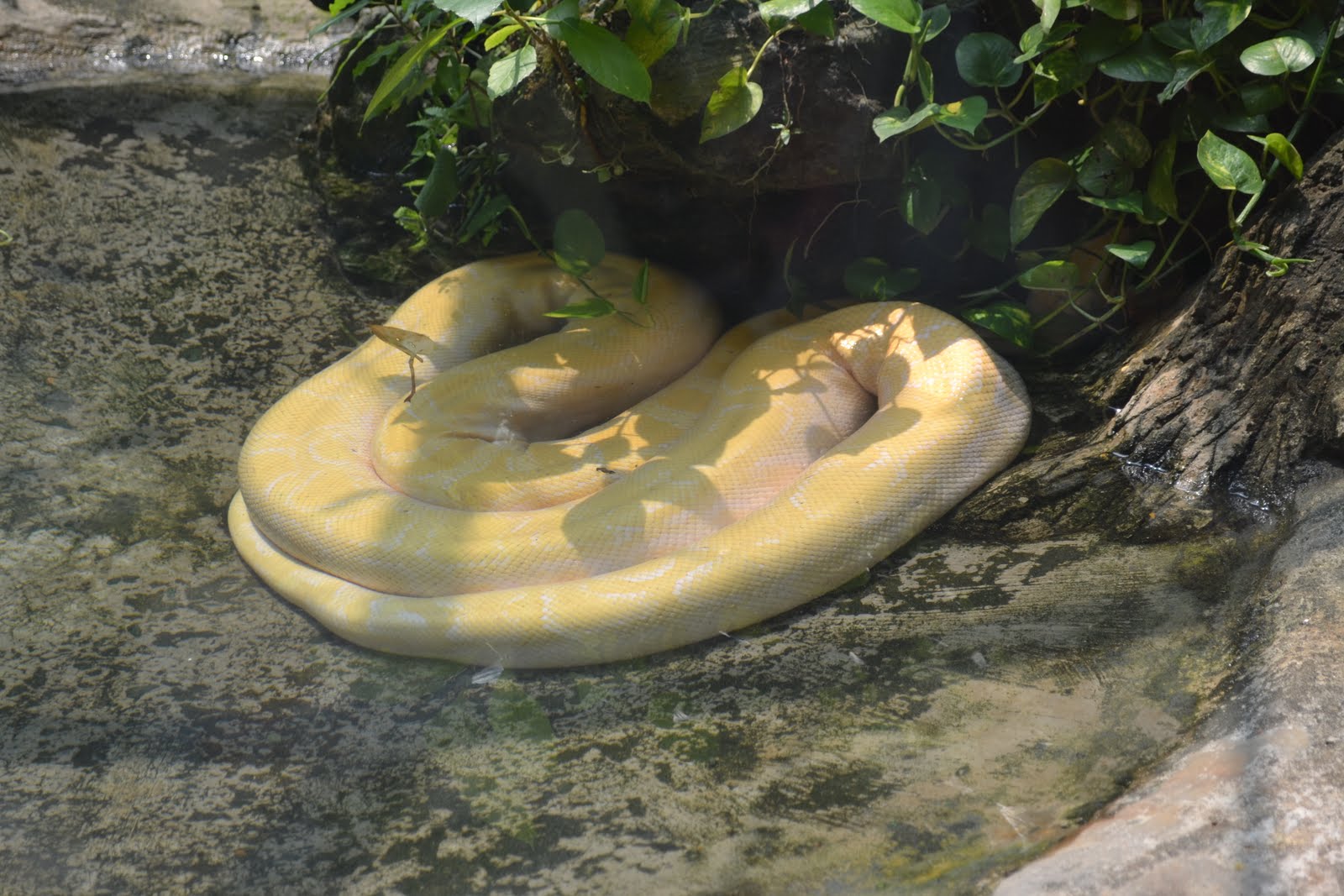
An albino python. - Un pitone albino.

***

An Asian elephant at the zoo. - Un elefante asiatico allo zoo.

***

Water Puppets. - Pupazzi d'acqua.

***

The Temple right in front of the Museum. - Il tempio di fronte al museo.

***

The Fine Arts Museum. - Il Fine Arts Museum.

***

A modern painting, lacquer on wood. - Un dipinto moderno, lacca su legno.

***

The Ben Thanh Market, the most famous market in Saigon. - Il mercato Ben Thanh, il più famoso mercato di Saigon.